
If you’re considering straightening your teeth as an adult, you’re probably carrying two thoughts at the same time:
- “I’ve wanted to do this for years.”
- “I don’t want this to take over my life.”
That second part matters more than people admit. Adults don’t usually avoid orthodontics because they don’t care. They avoid it because they’ve lived long enough to know that good intentions crumble under inconvenience.
So let’s make this simple: Invisalign and braces both work. The real difference is how they feel to live with—day to day, week to week, for months.
This means the “right” choice isn’t just about your teeth. It’s about your tolerance for disruption, your schedule, and what you need in order to actually stick with treatment long enough to finish.
The adult version of this decision is different
As a teenager, you can get braces and move on. As an adult, treatment has to fit around meetings, travel, family schedules, photos, social plans, and the general reality that you already have a full life.
That’s why most adults aren’t asking, “Which works better?”
They’re asking:
- Which one will feel more manageable?
- Which one will be easier to keep clean?
- Which one will be less obvious at work?
- Which one will I regret less two months in?
That’s the lens we’ll use here.
What Invisalign is, in plain terms
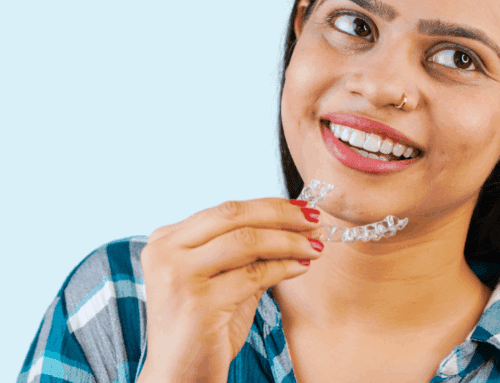
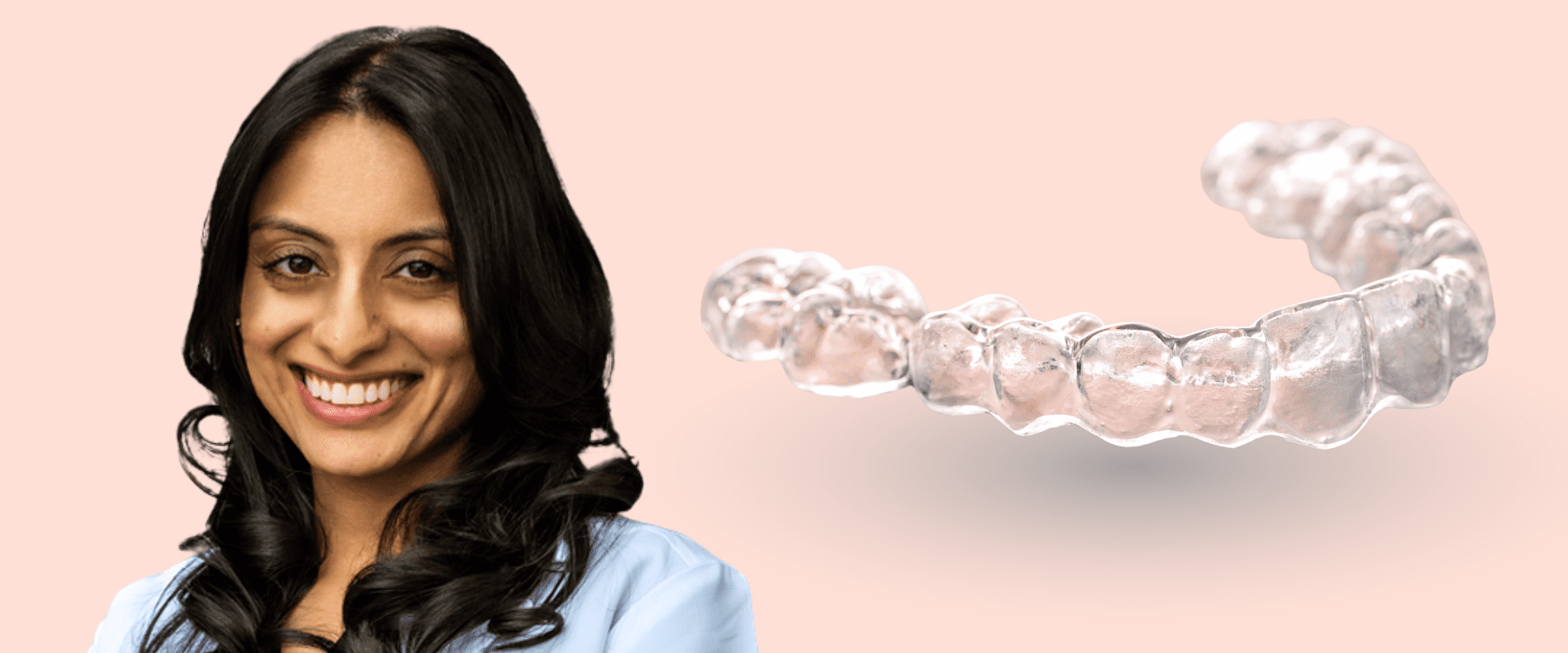
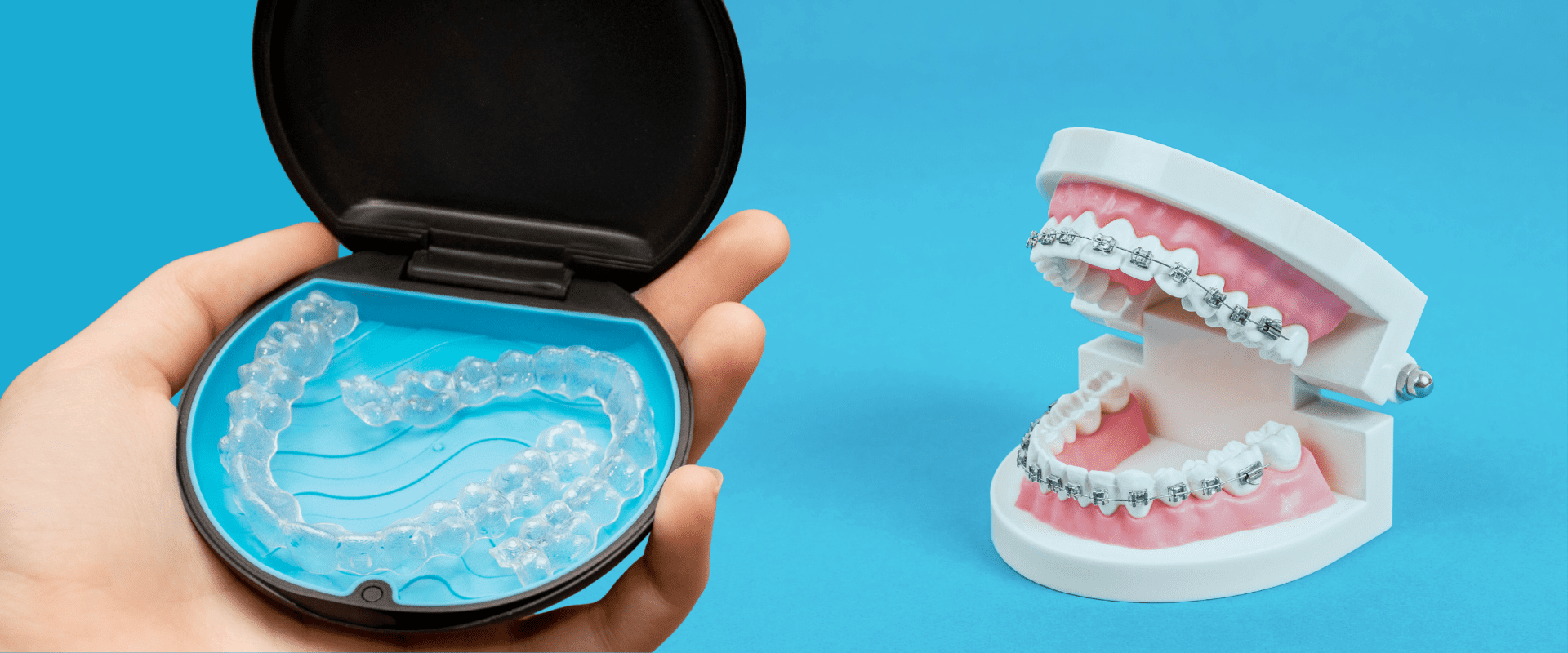
Invisalign is a series of clear aligners custom-made to guide your teeth into better alignment over time. You wear each set for a period, then move to the next.
What makes it appealing to adults isn’t just that it’s discreet. It’s that Invisalign is built around a pretty adult concept: flexibility.
You can remove aligners to eat. You can brush and floss normally. You don’t have to worry about food getting trapped in brackets. And for many people, it feels like orthodontics that can quietly exist in the background of your life instead of becoming your whole personality.
What braces are, and why they’re still used
Traditional braces use brackets and wires to move teeth. They’re not outdated. In certain cases—especially more complex bite corrections—they can be the most direct tool for the job.
But braces come with more daily friction. There are food restrictions. Oral hygiene takes more effort. There can be irritation inside the cheeks and lips. And while many adults don’t mind the visibility, others find it affects confidence more than they expected.
Braces work. The question is whether you want to live with the trade-offs.
Comfort matters more than most adults expect
When people think about “comfort,” they usually mean pain.
Adults mean something bigger.
Comfort includes:
- Being able to speak without feeling self-conscious
- Not constantly thinking about what’s in your teeth
- Not feeling awkward in photos or conversations
- Knowing you can keep your mouth clean without a 20-minute ritual
- Feeling like this decision fits your life, instead of fighting it
This is where Invisalign tends to feel easier for many adults. Not because it’s effortless—orthodontics is still orthodontics—but because the treatment is designed to reduce everyday friction.
And friction is the thing that makes people quit.
Cleaning your teeth: the part that actually affects outcomes
Here’s the honest truth: adults tend to care about gum health more than teens do. You’re not just trying to straighten teeth—you’re trying to keep them healthy while you do it.
With Invisalign, most people find it easier to maintain normal brushing and flossing habits because the aligners are removable.
With braces, it’s absolutely doable—but it requires more patience, more technique, and more consistency. Food traps and plaque buildup are more common if hygiene routines aren’t dialed in.
So if oral health and cleanliness are big priorities for you, this category matters.
Invisalign vs. braces: the simplest comparison that actually helps
This isn’t meant to “sell” either option. It’s meant to help you choose what fits.
Invisalign tends to make sense for adults who want:
- A discreet look
- A treatment option that works around work and social life
- Easier daily hygiene
- Fewer food restrictions
- A more comfortable day-to-day experience
Braces tend to make sense for adults who:
- Need more complex corrections
- Want a fixed option that doesn’t rely on remembering to wear aligners
- Don’t mind visibility and food limitations
The catch is this: you can’t truly know which category you’re in without someone looking at your teeth, your bite, and what your goals actually are.
What about cost?
This is where a lot of adults get stuck before they even start.
Many people assume Invisalign is dramatically more expensive than braces, but real pricing depends on factors like:
- how complex the movement is
- how long treatment will take
- what’s included in your plan
- whether insurance contributes
What matters most isn’t guessing the number. It’s getting clarity.
A good consultation should leave you knowing:
- whether Invisalign is actually an option for your case
- what timeline you’re realistically looking at
- what the investment typically looks like
- what financial options exist so you can make a decision without pressure
If you leave a consult feeling confused, that’s not your fault. That’s a process problem.
So… which one is better?
Neither is “better” in the abstract.
But for adults, Invisalign often feels like the better match because it respects adult life: the schedule, the confidence piece, the hygiene concerns, and the desire to improve your smile without making everything harder.
The best next step isn’t choosing based on a blog post.
It’s getting a professional evaluation so you’re not guessing.
Ready to find out what would work for you?
If you’re comparing Invisalign vs. braces, you’re already closer than you think. The next step is simply confirming what your teeth and bite actually need.
At Georgia Dental Wellness, an Invisalign consultation is designed to be clear and low-pressure. You’ll get:
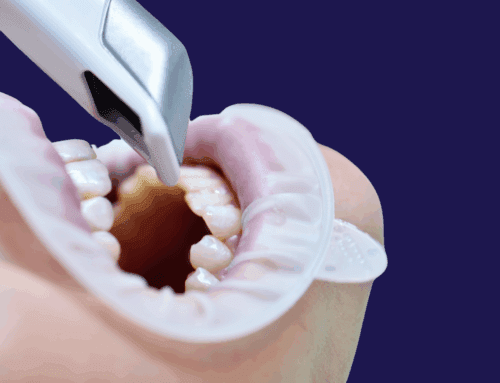
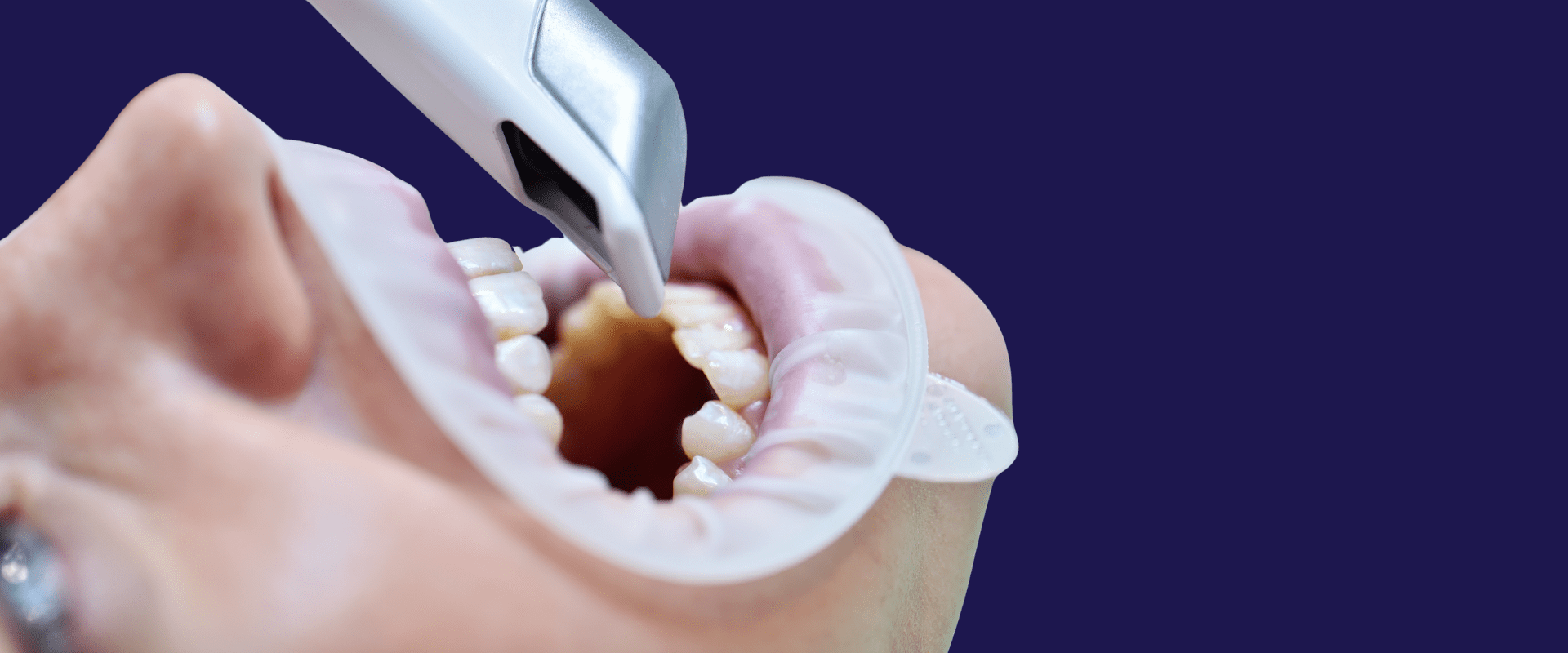
- A precise 3D scan (no messy impressions)
- A straightforward explanation of your options
- A plan that matches your goals and your life
If Invisalign is a fit, you’ll know. If it’s not, you’ll still walk out with clarity—and clarity is what gets people unstuck.
Book an Invisalign consultation to get real answers instead of guesswork.