

When people hear the word veneers, they often picture dramatic before-and-after transformations or perfectly uniform celebrity smiles.
While veneers can certainly create noticeable changes, they’re not always as extreme—or as one-size-fits-all—as they’re often portrayed.
For many patients, veneers are simply a way to make small, thoughtful improvements that feel natural and aligned with their features.
Understanding what veneers are—and what they aren’t—can make it easier to decide whether they’re worth exploring.
What veneers actually are
Veneers are thin, custom-made shells that are placed on the front surface of the teeth.
They are designed to improve the appearance of teeth by adjusting things like:
- Color
- Shape
- Size
- Minor alignment
Each veneer is crafted to fit the individual tooth, allowing for a result that can be subtle or more transformative depending on the patient’s goals.
What veneers are commonly used for
Veneers are often chosen to address aesthetic concerns such as:
- Teeth that appear worn or uneven
- Discoloration that doesn’t respond well to whitening
- Small gaps between teeth
- Minor chips or irregular shapes
In many cases, patients are not looking for a completely different smile—they’re looking for a more balanced or refined version of their existing one.
Do veneers look natural?
One of the most common concerns about veneers is that they might look artificial.
Modern veneers are designed with this in mind. Shape, color, and translucency are all customized so the final result blends with the rest of your features.
The goal is not to create a “perfect” smile in isolation, but a smile that feels natural on your face.
How much of the tooth is involved
Another common question is how much of the natural tooth is altered.
In many cases, veneers require minimal preparation. The exact approach depends on the condition of the teeth and the desired outcome, but the process is designed to preserve as much natural structure as possible while achieving a stable, long-lasting result.
This is something that’s evaluated carefully during a consultation.
Are veneers the only option?
Veneers are one of several ways to improve the appearance of a smile.
Depending on your goals, alternatives may include:
- Professional whitening
- Cosmetic bonding
- Minor orthodontic adjustments
Each option serves a different purpose, and choosing the right one depends on what you’re hoping to change.
This is why cosmetic dentistry is rarely one-size-fits-all.
What the process typically looks like
While every case is different, veneer treatment usually involves:
- An initial consultation to understand your goals
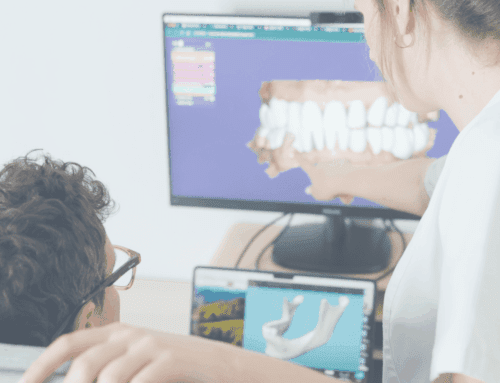
- Planning the shape, size, and look of your smile
- Preparing the teeth if needed
- Placing the final veneers once they’re ready
At Georgia Dental Wellness, this process is designed to be thoughtful and collaborative, with an emphasis on achieving results that feel natural and balanced.
A more modern approach to smile changes
Cosmetic dentistry has evolved significantly in recent years.
Today, the focus is less on dramatic transformation and more on refinement and personalization. Small changes—when done well—can make a meaningful difference without feeling overdone.
For many patients, that shift makes veneers feel more approachable than they once did.
Deciding if veneers are worth exploring
Veneers aren’t the right solution for everyone, and not every smile needs them.
But if you’ve noticed small things about your smile that you’d like to improve—color, shape, or overall balance—it may be worth understanding what’s possible.
A consultation is simply a way to explore options, ask questions, and see what approach fits your goals best.