

Waking up with a headache can feel frustrating—especially when it becomes a pattern.
Many people assume morning headaches are caused by poor sleep, stress, dehydration, or even caffeine withdrawal. While those factors can certainly play a role, there’s another possible cause that often goes unnoticed: your jaw.
Clenching or grinding your teeth during sleep can put significant strain on the muscles and joints that control jaw movement. Over time, that strain can lead to tension headaches, facial soreness, and disrupted sleep.
Understanding the connection between your jaw and your headaches is often the first step toward finding relief.
How the jaw and headaches are connected
Your jaw joint, known as the temporomandibular joint (TMJ), connects your lower jaw to your skull. This joint works together with several muscles that allow you to chew, speak, and move your jaw comfortably throughout the day.
When these muscles are under constant strain—such as from nighttime clenching or grinding—they can become overworked and inflamed. This tension can radiate into nearby areas, including the temples, neck, and sides of the head.
For many people, that tension is strongest in the morning because the clenching happened during sleep.
Signs your headaches might be related to jaw clenching
Headaches connected to jaw strain often come with other subtle symptoms. You might notice:
- Headaches that are strongest when you wake up
- Soreness in the jaw or cheeks in the morning
- Tightness around the temples
- Teeth that feel sensitive or worn
- A feeling of jaw fatigue when chewing
These symptoms don’t always appear together, which is why the connection can be easy to miss.
Why nighttime clenching often goes unnoticed
One of the challenges with jaw clenching—also called bruxism—is that it usually happens during sleep.
Because you’re unconscious while it occurs, you may not realize the pressure your jaw is experiencing each night. In fact, many people only discover they clench or grind their teeth after a dental exam reveals signs such as:
- Flattened or worn tooth surfaces
- Small fractures or chips in teeth
- Increased muscle tension around the jaw
Over time, this repeated pressure can contribute not only to headaches but also to tooth wear and jaw discomfort.
Stress isn’t the only factor
Stress is often associated with teeth grinding, but it’s not the only cause. Bruxism can also be influenced by:
- Bite alignment
- Sleep patterns
- Certain medications
- Muscle habits that develop over time
Because several factors may be involved, determining the cause of jaw-related headaches usually requires a professional evaluation.
When it may be time to talk to a dentist
Occasional headaches happen to everyone. But if morning headaches are becoming frequent, it may be helpful to explore whether your jaw is contributing.
A dental visit can help evaluate:
- Signs of grinding or clenching
- Muscle tenderness around the jaw
- Tooth wear that may indicate nighttime pressure
Understanding what’s happening allows you to decide whether any treatment—or simply monitoring—might be helpful.
Relief may start with protecting your jaw
If nighttime clenching is contributing to headaches, protecting the teeth and jaw during sleep can often reduce the strain placed on those muscles.
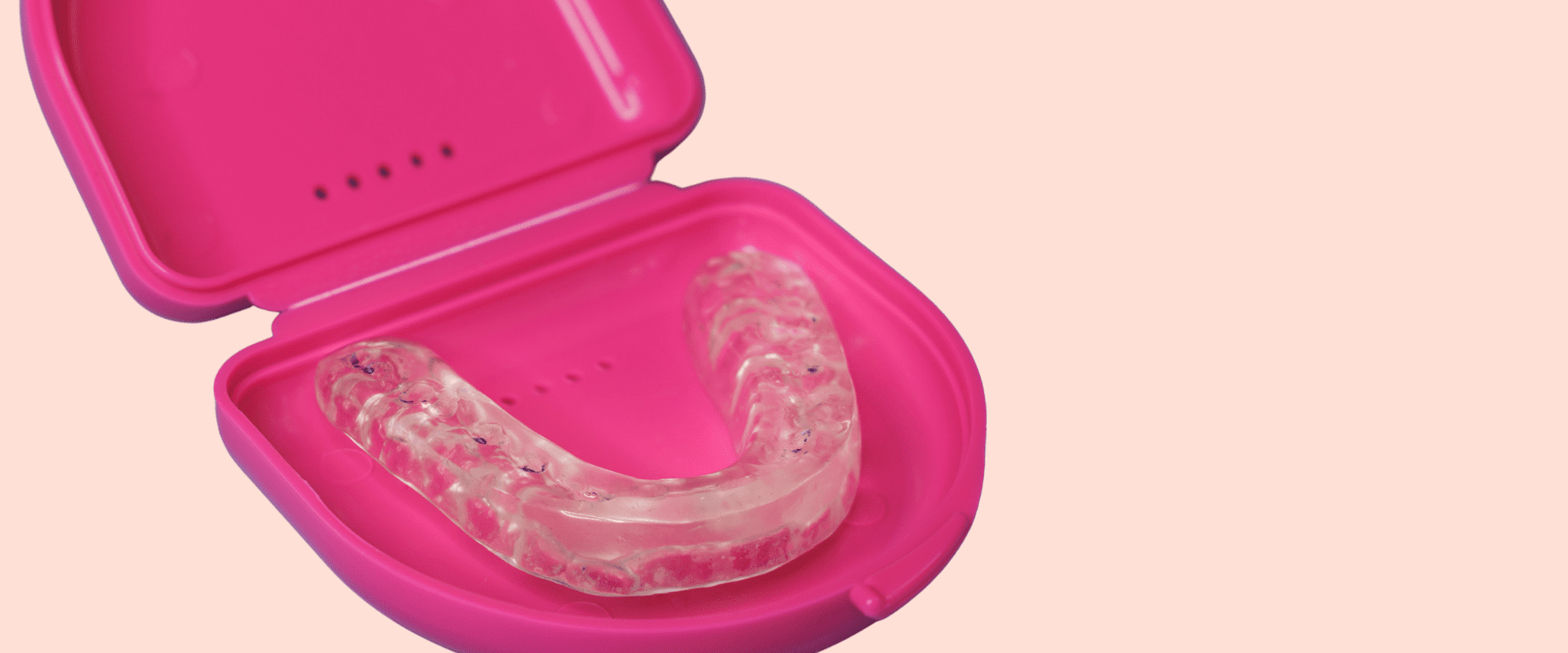
Custom dental appliances designed for nighttime wear help create a balanced bite surface and reduce the pressure that clenching places on the teeth and jaw joints.
Many patients find that addressing nighttime grinding not only protects their teeth but also improves sleep comfort and reduces morning tension.
Finding clarity about your symptoms
Morning headaches can have several causes, and jaw strain is just one possibility. But because the connection between the jaw and headaches is often overlooked, it’s worth exploring—especially if other symptoms like jaw soreness or tooth wear are present.
At Georgia Dental Wellness, evaluating jaw health is part of understanding a patient’s overall oral health.
If you’ve been waking up with headaches and suspect your jaw may be involved, a visit can help clarify what’s happening and what your next steps might be.