
Waking up with headaches or jaw soreness can slowly become part of a routine that people learn to live with.
For many individuals, the discomfort starts subtly—tightness around the temples, soreness in the jaw muscles, or teeth that feel sensitive in the morning. Over time, these symptoms can become more frequent, affecting sleep quality and daily comfort.
In many cases, nighttime clenching or grinding is a contributing factor.
When the jaw muscles remain tense throughout the night, the pressure placed on the teeth and joints can lead to headaches, muscle fatigue, and gradual wear on the teeth.
Fortunately, there is a way to protect both your teeth and your jaw while you sleep.
How a TMJ appliance helps reduce strain
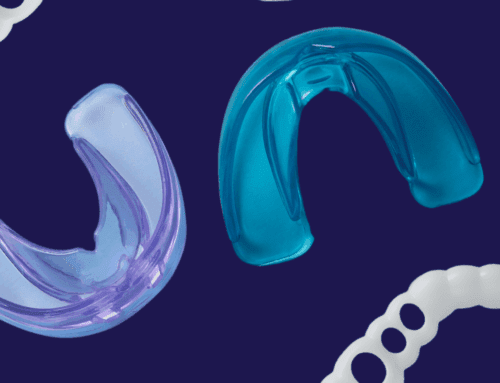
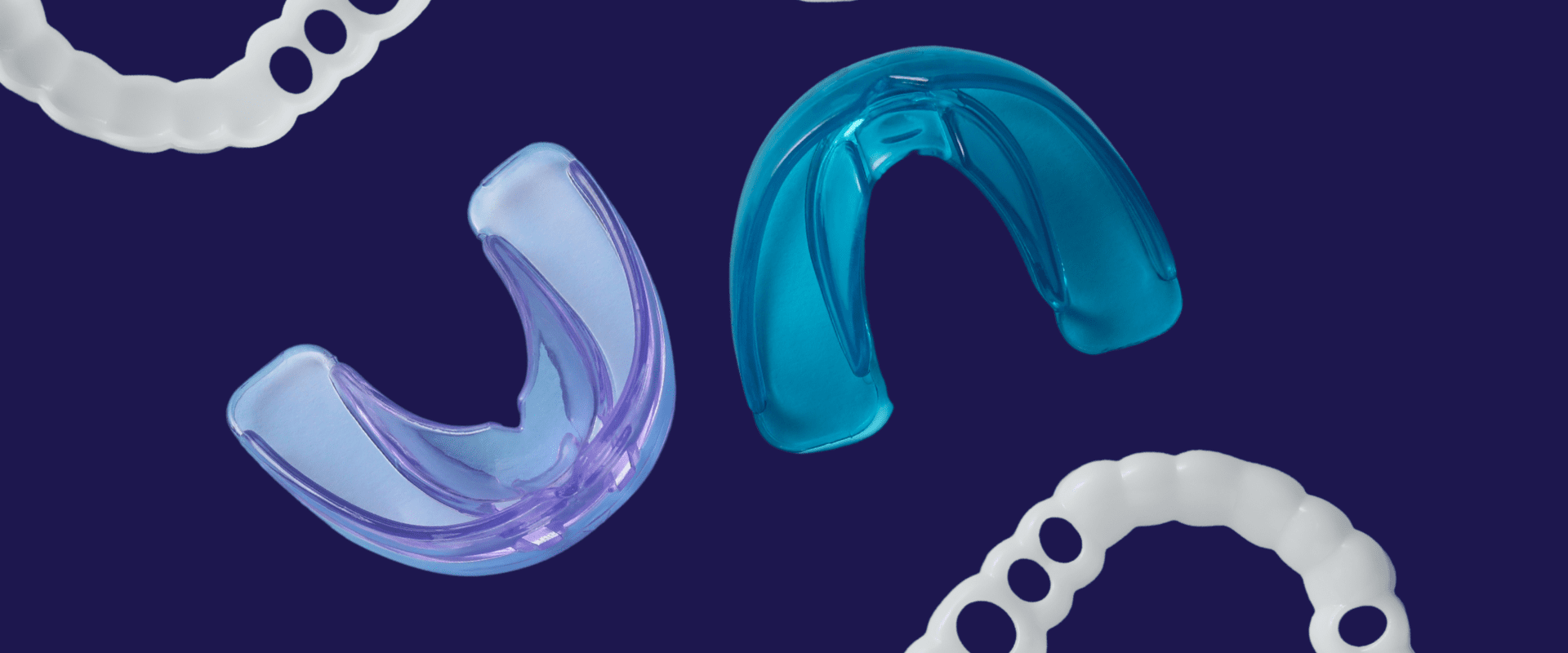
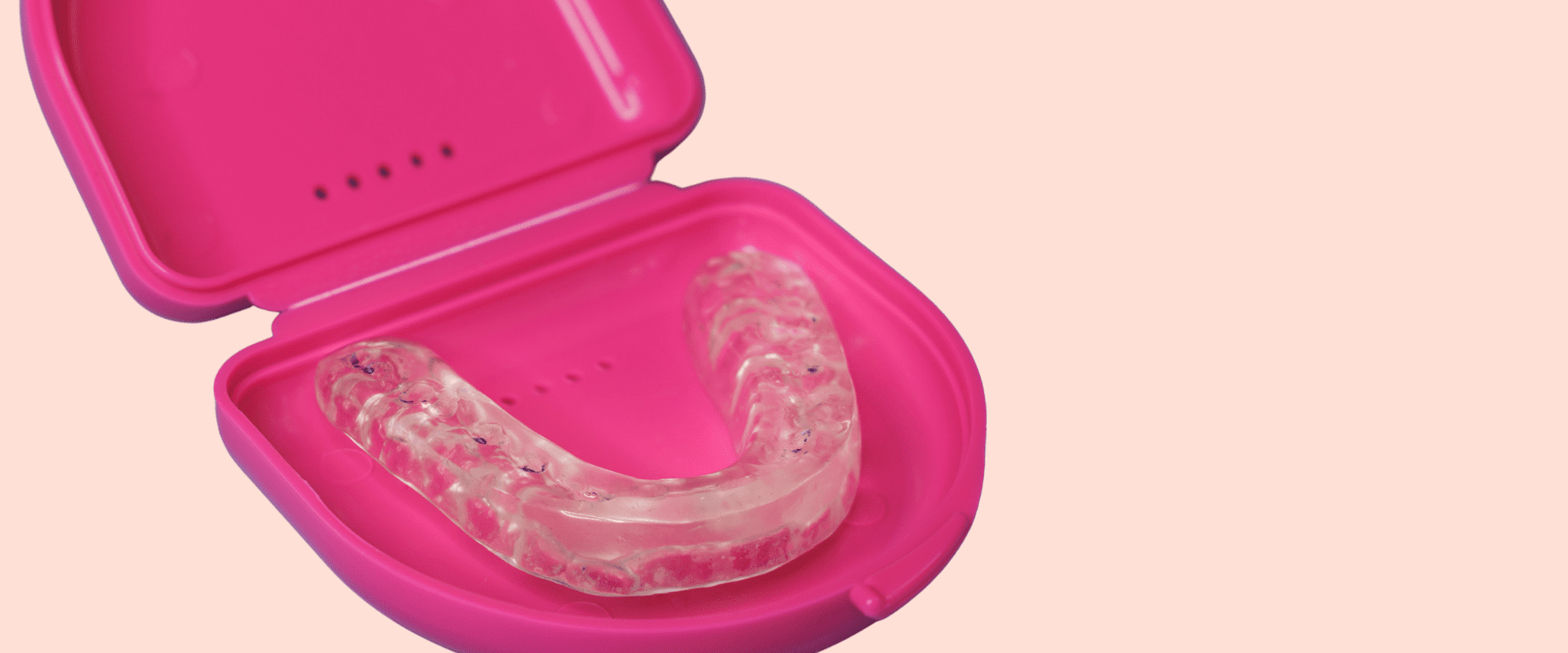
A custom TMJ appliance—often called a night guard—is designed to protect the teeth from grinding and help distribute pressure more evenly across the bite.
Instead of the teeth absorbing the full force of clenching, the appliance acts as a protective barrier. This helps reduce stress on both the teeth and the jaw muscles.
For many patients, this added protection can lead to noticeable improvements such as:
- Reduced morning headaches
- Less jaw soreness upon waking
- Protection against tooth wear and fractures
- More comfortable sleep
While the appliance doesn’t stop the clenching habit entirely, it helps prevent the damage and muscle strain that often come with it.
Why a custom appliance makes a difference
Because every person’s bite is unique, the design of the appliance plays an important role in how effective and comfortable it is.
At Georgia Dental Wellness, custom TMJ appliances are created using detailed digital scans of your teeth. This allows the guard to fit precisely and distribute pressure evenly.
Compared with over-the-counter options, custom appliances are typically:
- More comfortable to wear during sleep
- Securely fitted to your teeth
- Designed to support balanced jaw movement
- Durable enough for long-term protection
This precision helps ensure the appliance works with your bite rather than against it.
What the process looks like
Getting a custom TMJ appliance is a straightforward process.
It begins with a dental evaluation to determine whether clenching or grinding may be contributing to your symptoms. During this visit, the dentist can look for signs such as tooth wear, muscle tenderness, or bite pressure.
If an appliance is recommended, a digital scan of your teeth is taken to create a precise model. The appliance is then fabricated specifically for your bite and adjusted if necessary to ensure a comfortable fit.
Most patients find the process simple and easy to incorporate into their routine.
A limited-time opportunity this month
For patients who have been experiencing headaches, jaw tension, or signs of teeth grinding, this month’s focus at GDW is helping people address those symptoms early.
During this month’s promotion, patients starting treatment for a custom TMJ appliance may be eligible for a special offer designed to make the process easier to begin.
Details about the offer and eligibility are discussed during your consultation so you can understand exactly what’s involved before making any decisions.
Taking the first step toward relief
Persistent headaches and jaw discomfort don’t always have obvious causes, and many people spend years trying different solutions before realizing the jaw may be involved.
A dental evaluation can help determine whether clenching or grinding may be contributing to what you’re experiencing.
If it is, protecting the teeth and jaw during sleep can make a meaningful difference in both comfort and long-term oral health.