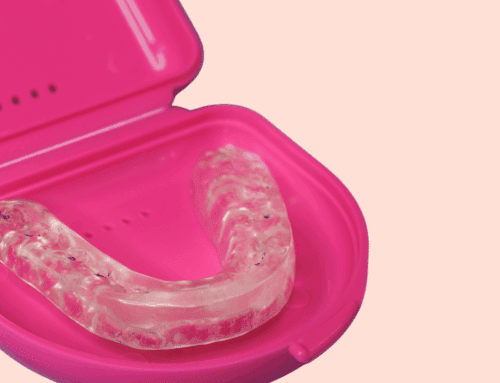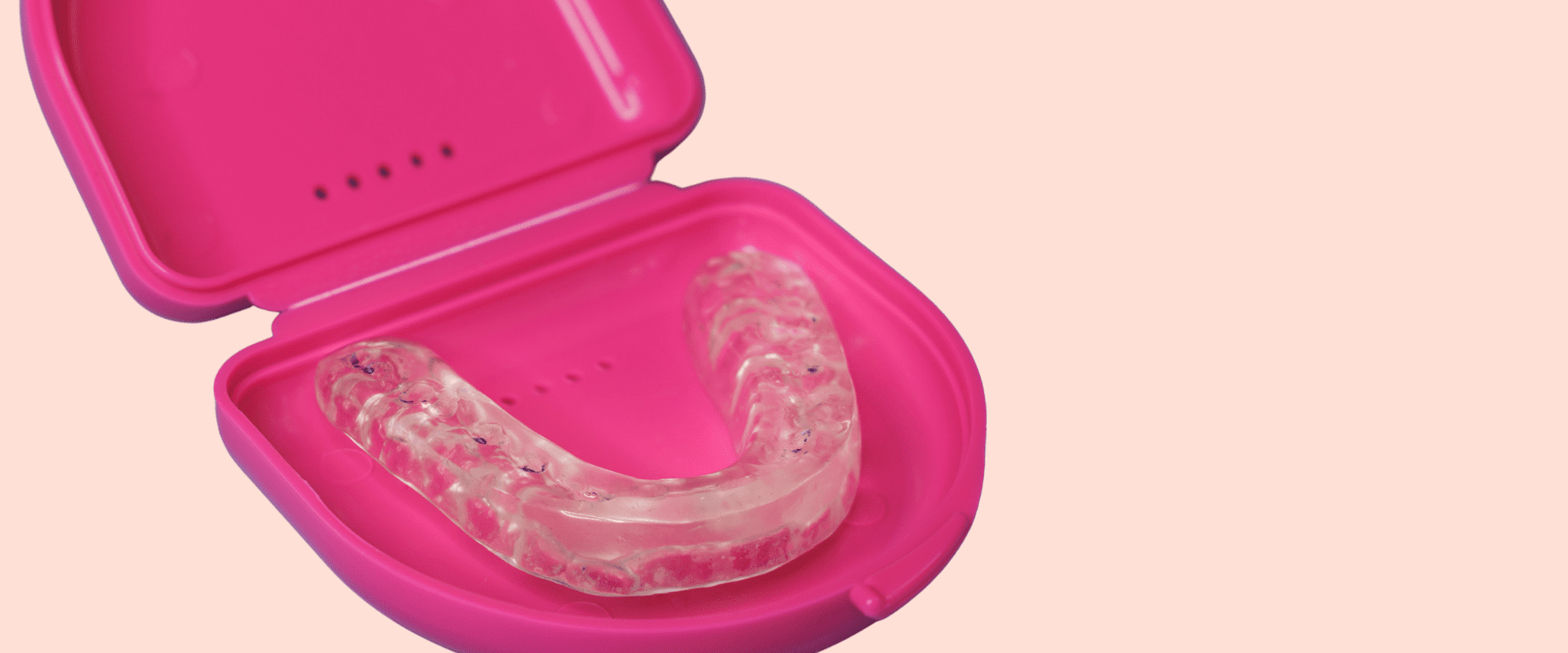

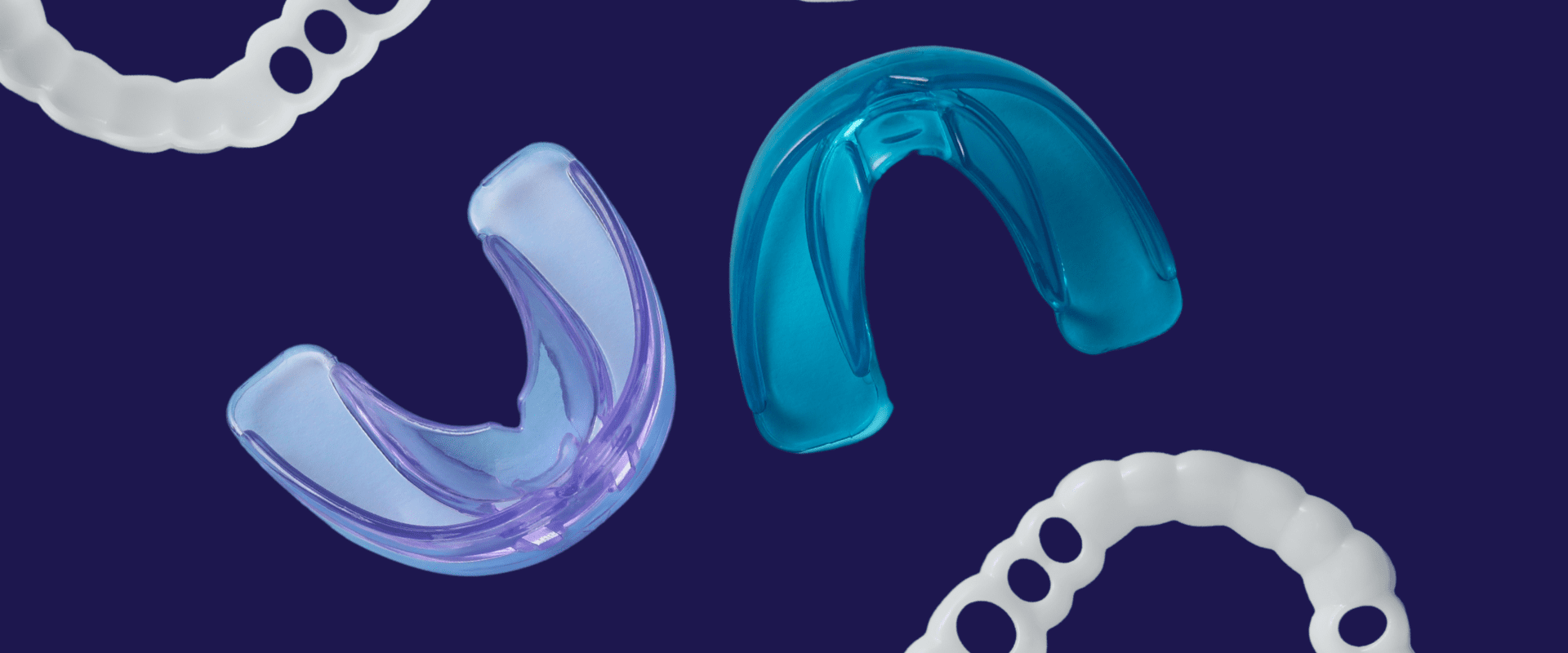
If you’ve ever searched for solutions to teeth grinding or jaw pain, you’ve likely come across “boil and bite” night guards.
They’re easy to find online and in pharmacies, often marketed as quick and affordable protection against grinding and clenching. At first glance, they seem like a simple fix: soften the guard in hot water, bite into it, and wear it while you sleep.
While these products may seem convenient, they rarely provide the kind of protection your teeth and jaw actually need.
Understanding why can help you make better decisions for your long-term oral health.
What “boil and bite” night guards are designed to do
Boil-and-bite guards are made from thermoplastic materials that soften when heated. After placing the guard in hot water, you bite down on it so the material molds loosely to your teeth.
The idea is that this quick molding process creates a custom fit.
In reality, the result is usually a rough approximation of your bite rather than a precise appliance designed for how your teeth actually come together.
For people who grind or clench their teeth regularly, that difference matters.
Why bite balance matters more than people realize
Your bite—the way your upper and lower teeth meet—is a complex system involving teeth, muscles, and joints.
When a night guard is properly designed, it distributes pressure evenly across the bite and helps reduce strain on the jaw muscles. This balance is essential for protecting teeth and allowing the jaw to relax during sleep.
Boil-and-bite guards rarely achieve this balance. Because they are shaped by biting into soft plastic, they often create uneven pressure points that can place additional strain on certain teeth or muscles.
Over time, that imbalance may lead to:
- Increased muscle tension
- Jaw discomfort
- Uneven tooth wear
Instead of relieving the problem, the guard can sometimes make it worse.
Fit and comfort also matter
Another common issue with over-the-counter guards is fit.
Even after molding, many guards remain:
- Bulky
- Loose
- Difficult to wear comfortably throughout the night
When an appliance doesn’t fit well, people often stop wearing it consistently. And when protection isn’t consistent, the teeth and jaw remain exposed to nightly grinding forces.
Comfort is not just about convenience—it’s what allows an appliance to actually work.
Not all grinding is the same
Teeth grinding, or bruxism, can vary widely from person to person.
Some patients apply intense pressure through their jaw muscles. Others grind their teeth side to side. Some clench tightly without much movement at all.
Because these patterns differ, an effective appliance often needs to be designed with those habits in mind. Over-the-counter guards simply can’t account for those individual differences.
How custom night guards are different
A professionally made night guard begins with a detailed digital scan or impression of your teeth. This allows the appliance to be designed specifically for your bite and the way your teeth align.
Custom guards are typically:
- Thinner and more comfortable
- Precisely fitted to the teeth
- Designed to distribute pressure evenly
This precision helps protect tooth surfaces while reducing the muscle strain associated with clenching and grinding.
For many patients, a well-designed appliance not only protects their teeth but also reduces jaw fatigue and morning headaches.
Protecting your teeth is about more than convenience
When it comes to nighttime grinding, the goal isn’t just placing a barrier between your teeth. It’s creating an appliance that works in harmony with your bite and jaw muscles.
A poorly fitted guard may seem like an inexpensive solution in the short term, but it can fail to protect the teeth from wear and may even contribute to jaw discomfort.
Choosing the right type of protection can make a meaningful difference in long-term oral health.
Getting the right solution for your bite
If you suspect that grinding or clenching may be affecting your teeth, a dental evaluation can help determine what’s actually happening.
At Georgia Dental Wellness, evaluating signs of nighttime grinding—such as tooth wear, jaw tension, or morning headaches—is part of understanding a patient’s overall oral health.
From there, you can explore whether a custom night guard or another solution might help protect your teeth and reduce strain on your jaw.