

By the time most people start considering a smile makeover, they’ve already been thinking about it for a while.
It might be something small—how your teeth look in photos, or a detail you notice when you catch your reflection. Over time, those small observations can turn into a broader question:
“Would it be worth changing my smile?”
A smile makeover isn’t the right choice for everyone, and not every smile needs one. But for the right patient, it can be a thoughtful way to make changes that feel natural and aligned with their features.
What a “smile makeover” actually means
A smile makeover isn’t a single procedure.
It’s a combination of treatments—often veneers, bonding, or whitening—planned together to improve the overall balance of your smile.
The goal isn’t to create something completely different.
It’s to refine what’s already there in a way that feels cohesive and natural.
Signs you might be a good candidate
You don’t need a dramatic concern to consider cosmetic dentistry.
Many patients who move forward with a smile makeover share a few common traits:
You notice multiple small things—not just one
It’s not always a single issue. It may be:
- Slight discoloration
- Minor unevenness
- Small gaps or chips
Individually, these may not feel significant—but together, they affect how your smile feels overall.
You want a more balanced, natural look
A common misconception is that cosmetic dentistry is about achieving a “perfect” smile.
In reality, most patients are looking for:
- Better proportions
- Smoother edges
- A more consistent color
The goal is usually subtle improvement, not dramatic change.
Your teeth are healthy enough to support cosmetic work
Before any cosmetic treatment, the foundation matters.
Healthy gums and teeth are essential for long-term results. If there are underlying issues, those are addressed first to ensure that any cosmetic work is stable and lasting.
You’re open to a planned, step-by-step process
A smile makeover isn’t something rushed or decided in a single moment.
It involves:
- Understanding your goals
- Designing the outcome
- Moving through treatment in a structured way
Patients who feel comfortable with that process tend to have the best experience.
Signs it might not be the right time
Just as important as knowing when you’re a good candidate is recognizing when it may be better to wait.
You may want to hold off if:
- You’re unsure what you want to change
- You’re looking for a very quick or temporary fix
- There are untreated dental concerns that need attention first
In these cases, starting with a consultation can still be helpful—it just shifts the focus to planning rather than immediate treatment.
What happens during a consultation
A cosmetic consultation is not a commitment to treatment.
It’s a conversation designed to:
- Understand what you’re noticing about your smile
- Explore what changes are possible
- Determine which options (if any) make sense
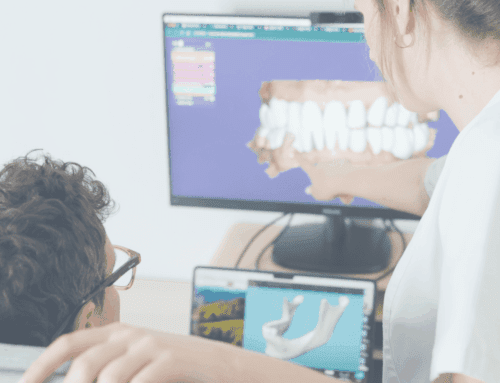
At Georgia Dental Wellness, this process often includes digital imaging and a discussion of how subtle or noticeable you want your results to be.
The goal is clarity—not pressure.
Deciding what’s right for you
There isn’t a single definition of the “right” smile.
For some people, whitening is enough.
For others, small refinements make a meaningful difference.
And for some, a full smile makeover is worth exploring.
The important part is understanding your options and choosing an approach that feels aligned with your goals.
A simple next step
If you’ve been thinking about improving your smile but aren’t sure where to start, a consultation can help bring that into focus.
It’s an opportunity to ask questions, see what’s possible, and decide whether a smile makeover makes sense for you—now or in the future.