
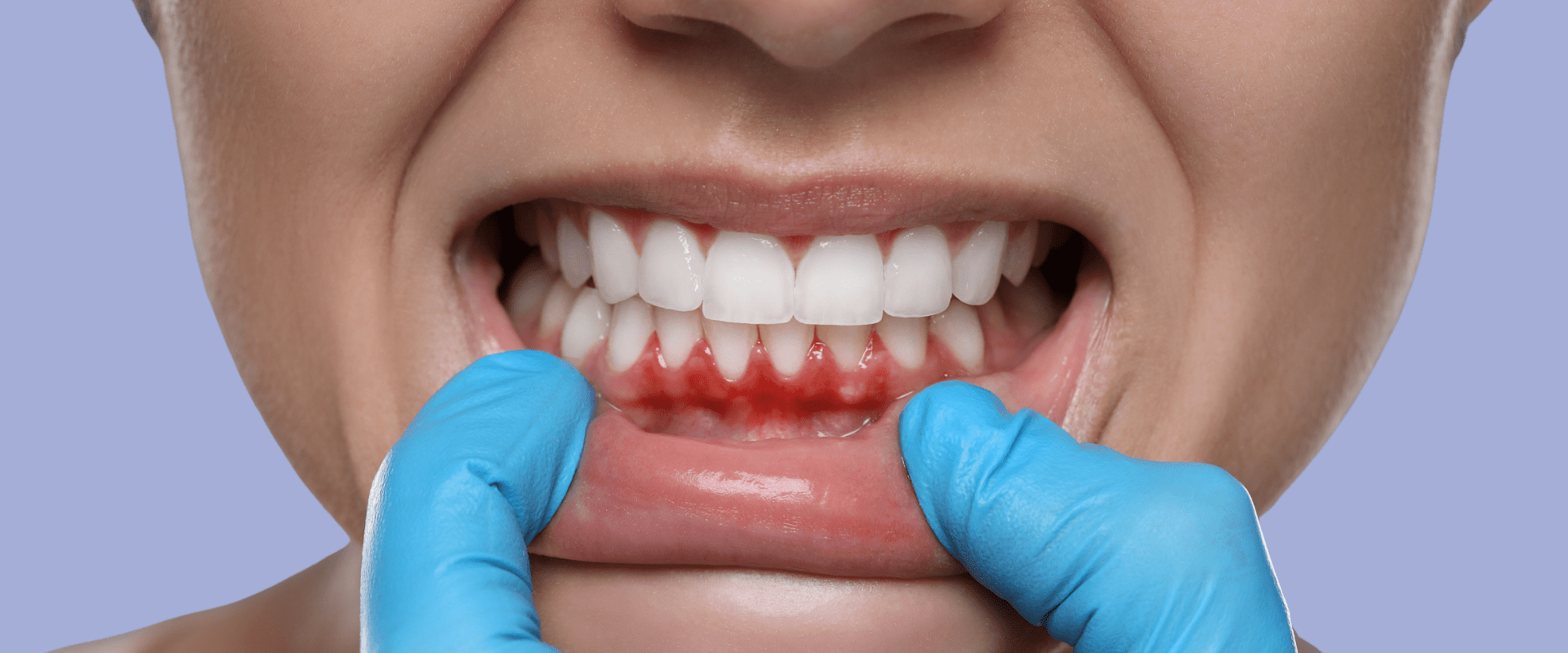
Bleeding gums are surprisingly common, and that’s exactly why they’re easy to ignore.
For many adults, it happens occasionally—when brushing a little too hard, flossing after a break, or during a busy stretch when routines slip. Because there’s usually no pain, it’s tempting to assume it’s normal.
In reality, bleeding gums are best understood as feedback. Not a diagnosis. Not a crisis. Just a signal that something in the gum tissue needs attention.
Here are the most common reasons gums bleed, what they usually mean, and when it makes sense to check in with a dentist.
1. Plaque buildup along the gumline
The most frequent cause of bleeding gums is plaque accumulation right where the teeth meet the gums.
Plaque is a soft, sticky film of bacteria that forms constantly. When it isn’t removed thoroughly, it irritates the surrounding gum tissue. That irritation leads to inflammation, and inflamed gums bleed more easily—especially during brushing or flossing.
This stage is often mild and reversible. Professional cleanings combined with improved home care can usually calm the inflammation and restore healthy gum tissue.
Bleeding caused by plaque buildup is common, especially in people who:
- Brush quickly or inconsistently
- Miss flossing regularly
- Have crowded teeth that are harder to clean
Left unaddressed, plaque can harden into tartar, which requires professional removal.
2. Gingivitis (early gum disease)
Gingivitis is the earliest stage of gum disease, and bleeding is often the first noticeable sign.
In addition to bleeding, gums may appear:
- Redder than usual
- Puffy or swollen
- Tender to the touch
One reason gingivitis is so common is that it rarely causes pain. Many people don’t realize they have it until it’s pointed out during a dental exam.
The encouraging part is that gingivitis is typically treatable and reversible when caught early. Regular cleanings, improved brushing and flossing techniques, and consistent follow-up can make a significant difference.
Ignoring gingivitis, however, allows inflammation to progress deeper below the gumline.
3. Inconsistent flossing (or flossing after a long break)
This one surprises people.
Gums often bleed not because flossing is harmful, but because it hasn’t been done consistently. When flossing is reintroduced, irritated gums may bleed at first.
In many cases, this improves within one to two weeks of daily flossing as the gums become healthier and less inflamed.
However, if bleeding:
- Persists beyond a couple of weeks
- Gets worse instead of better
- Occurs even with gentle flossing
it may indicate underlying inflammation that needs professional evaluation.
Flossing should not cause ongoing bleeding in healthy gums.
4. Hormonal changes or certain medications
Hormonal fluctuations can make gum tissue more sensitive and prone to bleeding. This can occur during:
- Pregnancy
- Menopause
- Periods of hormonal change
Additionally, some medications—such as blood thinners or medications that affect gum tissue—can increase bleeding tendencies.
In these cases, bleeding doesn’t automatically mean gum disease, but it does mean gums should be monitored more closely. A dental professional can help determine whether the bleeding is expected or if additional care is needed.
5. When bleeding gums shouldn’t be ignored
Occasional bleeding can happen. Persistent bleeding deserves attention.
It’s a good idea to schedule a dental visit if bleeding gums are accompanied by:
- Ongoing bad breath
- Gum tenderness or pain
- Gum recession
- A change in how your teeth feel when you bite
These signs may indicate that inflammation has progressed beyond early stages and requires more targeted care.
Early evaluation allows for simpler, more comfortable treatment options.
So, what should you do if your gums bleed?
The goal isn’t to self-diagnose. It’s to understand what your gums are telling you.
A routine dental exam and cleaning can determine:
- Whether bleeding is related to plaque, gingivitis, or another factor
- How healthy your gums are overall
- What steps, if any, are needed to protect them
At Georgia Dental Wellness, gum health is treated as part of preventive care—not something addressed only when symptoms become severe.
Bleeding gums are common.
Ignoring them doesn’t have to be.
A checkup is often all it takes to understand what’s happening and keep small concerns from becoming larger ones.